Brant Frost IV, Political Insider and Financial Executive, at Center of Major SEC Fraud Complaint
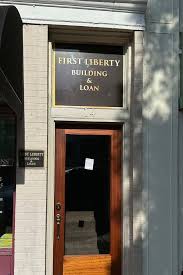
In a civil lawsuit filed Thursday, the U.S. Securities and Exchange Commission (SEC) accused Georgia businessman and Republican operative Brant Frost IV of running a massive Ponzi scheme through his company, First Liberty Building and Loan. The SEC alleges that Frost defrauded approximately 300 investors of over $140 million, diverting funds to finance personal luxuries, political donations, and a crumbling financial operation masked behind high-yield promises.
With roots in the conservative political network and deep ties to Georgia’s Republican leadership, Frost’s alleged misconduct is now under both federal and state investigation—casting a long shadow over the state’s GOP and leaving hundreds of investors scrambling for answers.
The Alleged Fraud: Promises vs. Reality
Business Model or Deception?
First Liberty claimed to offer high-interest loans to small businesses in need of temporary capital while waiting for U.S. Small Business Administration (SBA) funding. Investors were promised returns as high as 16%—earning spreads on loans with interest rates reportedly reaching 18%.
However, according to the SEC, those loans were largely fictitious or non-performing. The complaint states that as many as 90% of these loans defaulted, and by 2021, the operation had already devolved into a classic Ponzi scheme—using new investor funds to pay existing obligations.
“The promise of a high rate of return on an investment is a red flag that should make all potential investors think twice or maybe even three times,” warned Justin C. Jeffries, Associate Director of Enforcement at the SEC’s Atlanta Regional Office.
Lavish Spending as the Business Collapsed
Where the Money Went
According to the SEC, while First Liberty investors were being told their money was secure and actively loaned out, Frost allegedly diverted over $19 million for personal and family use. Notable expenditures include:
-
$335,000 spent at a rare coin dealer
-
$160,000 in jewelry purchases
-
$320,000 to rent a vacation home in Kennebunkport, Maine—the same affluent seaside town associated with the Bush political dynasty
-
$570,000 in political contributions to far-right candidates and causes
Meanwhile, the business had just $2.67 million in cash left as of May 30, despite outstanding obligations totaling $140 million to investors.
Political Fallout and Connections
Frost Family’s Deep Ties to Georgia GOP
Brant Frost IV’s influence spans decades, beginning with his role in organizing Pat Robertson’s 1988 presidential campaign in Georgia. His family remains entrenched in state Republican politics:
-
Brant Frost V, his son, currently serves as Coweta County Republican Chairperson and formerly held a senior position within the Georgia Republican Party.
-
Katie Frost, his daughter, is the Republican Chairperson for Georgia’s 3rd Congressional District, and recently chaired a key committee at the state GOP convention in June.
This scandal is expected to have a ripple effect on local campaign financing, especially among far-right candidates supported by the Frost family.
Regulatory and Legal Ramifications
SEC Action and State-Level Investigation
The SEC has formally charged Frost and his affiliated companies with fraud. The complaint seeks monetary penalties and asset recovery, although final amounts will be determined by the court.
In parallel, the Georgia Secretary of State’s office is investigating First Liberty for possible violations of state securities laws. Promissory notes, which First Liberty used to structure investments, may have been issued without proper registration or regulatory oversight.
“Anyone issuing promissory notes is supposed to be registered with Georgia securities officials,” said Robert Sinners, spokesperson for the Secretary of State.
State officials are encouraging potential victims to contact the Georgia Securities Division.
First Liberty’s Sudden Shutdown and Silence
In June, First Liberty abruptly announced that it would cease making loans and suspend all interest and principal payments to investors. Since then, the company has become largely unresponsive, refusing to answer phone calls or emails.
A visit to its Newnan, Georgia office revealed no personnel on site, and a lawyer listed as the company’s registered agent claimed to have no information regarding the situation.
Despite the ongoing investigation, the company has stated through representatives that it is “cooperating with federal authorities” in a bid to wind down operations in an orderly manner.
Next Steps: Will Criminal Charges Follow?
Although the SEC has filed a civil case, no federal criminal charges have been announced. Typically, investment fraud cases of this magnitude can result in parallel criminal investigations led by the U.S. Department of Justice.
For now, investors are left in limbo, with most of the money gone and little clarity on how much, if anything, can be recovered. The average investment was approximately $500,000 per person, highlighting the scale and seriousness of the alleged deception.
A Cautionary Tale for Investors
This case underscores the importance of due diligence, especially when faced with offers of unusually high returns. It also reveals how financial misconduct can intertwine with political networks, affecting not just investors but broader civic and electoral ecosystems.
As the SEC pursues its case and Georgia officials dig deeper, the Frost case may become a landmark example of how financial fraud, personal ambition, and political influence can collide—with devastating consequences.