Humanitarian Catastrophe in Gaza Takes Center Stage
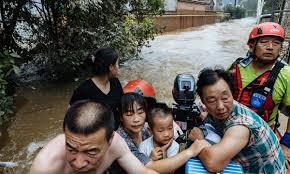
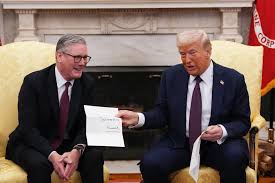
UK Prime Minister Keir Starmer will urge US President Donald Trump to intervene diplomatically in the deepening humanitarian crisis in Gaza when the two leaders meet today at Trump’s Turnberry golf resort in southwest Scotland. The face-to-face comes as international calls intensify for a ceasefire amid reports of “unspeakable suffering” and famine in the besieged Palestinian territory.
Downing Street says Starmer will “welcome the president’s efforts” in working with regional powers like Qatar and Egypt to secure a truce, but will also push Trump to take stronger leadership in brokering peace.
“He will discuss what more can be done to secure a ceasefire urgently, bring an end to the unspeakable suffering and starvation in Gaza, and free the hostages who have been held so cruelly for so long,” a UK government spokesperson said.
This comes just one day after Israel declared a “tactical pause” in parts of Gaza to allow humanitarian aid through, a step that aid agencies say is insufficient for a region facing starvation-level conditions for over two million people.
Domestic Pressure Mounts on Starmer Over Palestine Recognition
France Leads, Will the UK Follow?
While the humanitarian situation is dominating talks, Starmer is also under pressure from his own MPs to take a more decisive stance on the political future of Palestine. Over 220 MPs, including dozens from Labour’s ruling majority, have called on him to follow French President Emmanuel Macron’s lead and formally recognise Palestinian statehood.
Macron has pledged to recognise Palestine by September — a bold move that has split Western allies and added fuel to diplomatic debates across Europe.
Yet, Starmer has so far stopped short of making such a commitment. His Downing Street statement made no mention of Palestinian statehood, focusing instead on humanitarian assistance and ceasefire talks.
This ambiguity has left many in the UK political establishment frustrated, especially as public protests in London and other cities continue to grow louder. Just days ago, demonstrators flooded Downing Street with placards reading “Hands off Gaza,” calling on the UK government to do more to end the crisis.
Trump Calls Gaza Crisis “An International Problem”
US Shifts Responsibility as EU Steps In
For his part, President Trump has expressed limited willingness to expand the US role in resolving the Gaza crisis. Speaking on Sunday ahead of his meetings with European Commission President Ursula von der Leyen, Trump stated:
“It’s not a US problem. It’s an international problem.”
Trump confirmed the US would offer more humanitarian aid but said other countries need to “step up” in both funding and diplomatic engagement.
The comments come after both the US and Israel pulled out of recent truce negotiations. Washington’s envoy, Steve Witkoff, blamed Hamas for stalling a deal, an accusation the group has denied.
Trump’s reluctance to take sole ownership of the crisis could complicate Starmer’s push for coordinated global action. Still, Downing Street appears hopeful that Trump’s ongoing engagement with Qatar and Egypt can keep ceasefire talks alive.
UK-US Trade Deal Also on the Agenda
Delayed Implementation Raises Business Concerns
Alongside the Gaza discussions, Starmer and Trump will also talk economic policy — specifically, the implementation of the long-awaited UK-US trade deal signed on May 8. The agreement lowers tariffs for several UK exports, including machinery and some agricultural goods, but has yet to be fully activated.
Starmer is expected to seek clarity on when the deal will come into effect and how both countries plan to monitor its rollout. The delay has left UK businesses in limbo, especially amid broader global trade uncertainty.
Trump, however, remains bullish on the deal. On Sunday, he told reporters:
“It’s a great agreement for both sides. Starmer’s doing a very good job.”
The agreement could mark a rare moment of economic alignment between the two leaders, especially after last week’s breakthrough EU-US deal that averted a transatlantic tariff war. With the UK eager to reposition itself post-Brexit as a global trading hub, securing concrete timelines and enforcement mechanisms will be key for Starmer.
Balancing Diplomacy and Business: Trump’s Turnberry Optics
Blurred Lines Between Presidency and Private Empire
The setting for these high-level talks is anything but conventional. Trump’s Turnberry golf resort — a prized asset in his business portfolio — is doubling as a diplomatic stage. The optics have already sparked concerns about the blurring of lines between Trump’s presidency and personal business ventures.
Trump has spent the weekend playing golf at Turnberry while engaging in diplomacy with EU leaders and now Starmer. The UK prime minister will join Trump in traveling to Aberdeen on Tuesday, where the US president is expected to officially open a new course at his northern Scotland resort.
Critics say the blending of leisure, diplomacy, and commercial promotion raises ethical concerns, though Trump’s team insists the trip is primarily diplomatic.
Europe Aligns on Gaza — But the UK Hesitates
Starmer Walks Tightrope Between Allies and Domestic Opinion
Following weekend calls with French President Macron and German Chancellor Olaf Scholz, Starmer reaffirmed his commitment to securing peace in Gaza. According to a Downing Street readout, the leaders “agreed it would be vital to ensure robust plans are in place to turn an urgently-needed ceasefire into lasting peace.”
Yet the UK remains out of step with France’s move toward recognising Palestine — a position that could isolate London within the EU’s evolving Middle East strategy.
With European nations growing increasingly vocal and assertive, the UK faces a choice: maintain its current cautious stance or align more closely with continental allies who are moving towards recognising Palestinian sovereignty as part of a long-term peace framework.
Will Starmer’s Diplomacy Pay Off?
Today’s meeting at Turnberry is more than just a photo-op; it’s a pivotal moment in shaping both global policy and Starmer’s leadership image.
He walks into the room as a prime minister under pressure — from his parliament, his public, and his international partners. Whether he can leverage his rapport with Trump into meaningful progress on Gaza and trade will help define the next phase of UK foreign policy.
And while Trump remains focused on balancing diplomacy with golf course branding, the world will be watching what emerges from this unusual summit on Scottish soil.