Can a Comeback King Win Back New York?
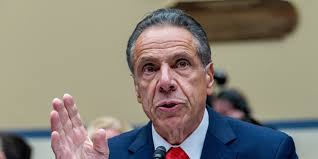
Former New York Governor Andrew Cuomo is back in the political arena—this time, as an independent candidate for New York City mayor, after losing the Democratic primary last month to progressive challenger Zohran Mamdani by more than 12 percentage points.
In a move that redefines this year’s already turbulent race, Cuomo announced his decision on Monday, declaring:
“As my grandfather used to say, when you get knocked down, learn the lesson and pick yourself back up and get in the game—and that is what I’m going to do.”
But with multiple independents in the race and a rising progressive star leading in the polls, Cuomo’s path back to elected office is anything but clear.
The Democratic Upset That Sparked Cuomo’s Pivot
Cuomo Loses to Mamdani in a Progressive Surge
Cuomo’s return follows a humbling defeat in the Democratic primary, where State Assemblyman Zohran Mamdani, a democratic socialist and champion of progressive causes, scored a surprising double-digit win.
Despite Cuomo’s name recognition and deep-pocketed donor base, Mamdani’s grassroots campaign gained momentum among younger and working-class voters. His platform, which includes universal childcare, expanded tenant protections, and pro-Palestinian foreign policy stances, resonated with a Democratic electorate increasingly disenchanted with establishment politics.
Polling before the primary had shown Cuomo with an edge, but turnout was low, and his campaign’s get-out-the-vote (GOTV) efforts were reportedly weak, according to insiders cited in Politico.
Who’s In the Race? A Crowded Field and Complicated Math
Adams, Sliwa, and Now Cuomo—Vote Splitting in Focus
The general election is shaping up to be a crowded, ideologically fragmented showdown. Here’s the current lay of the land:
-
Zohran Mamdani (Democrat): The progressive front-runner with strong grassroots backing.
-
Andrew Cuomo (Independent): Attempting a centrist comeback after scandal and defeat.
-
Eric Adams (Independent): The current mayor, seeking reelection despite a federal indictment.
-
Curtis Sliwa (Republican): The Guardian Angels founder and perennial conservative candidate.
A recent poll by Slingshot Strategies shows Mamdani leading with 35%, Cuomo at 25%, and Sliwa and Adams trailing behind.
Many analysts warn that with Cuomo and Adams splitting the centrist and moderate vote, Mamdani could coast to victory—a dynamic the Mamdani campaign has embraced.
“While Andrew Cuomo and Eric Adams trip over each other to win the approval of billionaires in backrooms, our campaign remains focused on working New Yorkers,” Mamdani posted on X.
Cuomo’s Redemption Tour—Can He Shake the Past?
From Scandal to Second Chance?
Cuomo’s re-entry into the political spotlight comes four years after resigning as governor amid multiple allegations of sexual harassment. Though he has denied wrongdoing, the fallout forced him out of Albany and into semi-retirement.
Since then, Cuomo has tried to rehabilitate his public image, with occasional media appearances and veiled hints at a political comeback. This independent run now offers a concrete opportunity to test whether voters are ready to forgive—and possibly forget.
Cuomo’s Monday announcement struck a tone of humility and resilience:
“I am truly sorry that I let you down,” he said to his supporters, referencing both the primary defeat and perhaps, more obliquely, his scandal-ridden exit from the governor’s mansion.
Corporate and Political Reaction—A Race with High Stakes
Business Leaders Wary of Mamdani, Watching Cuomo Closely
Mamdani’s surge has rattled corporate leaders, moderate Democrats, and many Republicans alike. His vocal support for Palestinian causes and calls for sweeping economic reforms have made him a darling of the left—and a lightning rod for centrist criticism.
Cuomo’s centrist stance, technocratic style, and executive experience still appeal to parts of the business community and some older Democrats. His candidacy now offers a “safe harbor” for anti-Mamdani voters uncomfortable with Adams’ scandals or Sliwa’s conservative populism.
But the challenge lies in consolidation: Can Cuomo unify the anti-Mamdani vote without simply splitting it further?
The Independent Dilemma—Can Outsiders Break Through?
New York City has not elected an independent mayor in modern history. While Michael Bloomberg ran as a Republican and later as an independent, he began with a major-party platform and millions in self-funding.
Cuomo’s run now tests the viability of an outsider campaign in an overwhelmingly Democratic city, where party affiliation traditionally matters—unless, as Mamdani’s rise suggests, the status quo has shifted.
For Cuomo, the road ahead will require aggressive messaging, community outreach, and likely millions in campaign spending—all in a compressed timeline.
What’s Next? Countdown to a Political Earthquake
With the general election just months away, New Yorkers are heading toward a four-way showdown that could become the most ideologically diverse mayoral contest in decades.
Key dates to watch:
-
Debate season begins in late August, with Cuomo expected to challenge Mamdani on fiscal policy and foreign affairs.
-
Voter registration deadlines loom in October, with campaigns scrambling to activate base turnout.
-
Polling shifts will determine whether Cuomo’s comeback gains traction—or fizzles under the weight of past controversies.
The 2025 NYC mayoral race is no longer a conventional political story. It’s a battle of redemption, revolution, and realpolitik—and it’s far from over.