Global Markets Jolt After Israel Strikes Iran
Global financial markets were thrown into turbulence late Thursday after Israel launched airstrikes on Iran, marking a dramatic escalation in Middle East tensions.
The news sent investors rushing toward traditional safe-haven assets like the U.S. dollar, Japanese yen, and Swiss franc, while risk-sensitive currencies and commodities saw immediate, sharp reactions.
“Markets quickly repriced risk as the threat of a broader regional conflict emerged overnight,” analysts noted.
The geopolitical shock follows reports from two U.S. officials confirming Israel’s unilateral military operation without U.S. involvement. Explosions were reportedly heard northeast of Tehran, amplifying investor concerns.
Safe-Haven Currencies Surge: Dollar, Yen, and Swiss Franc in Focus
Dollar Index Reverses Course
The U.S. dollar, which had been under pressure earlier in the week, swiftly rebounded following the Israel-Iran escalation.
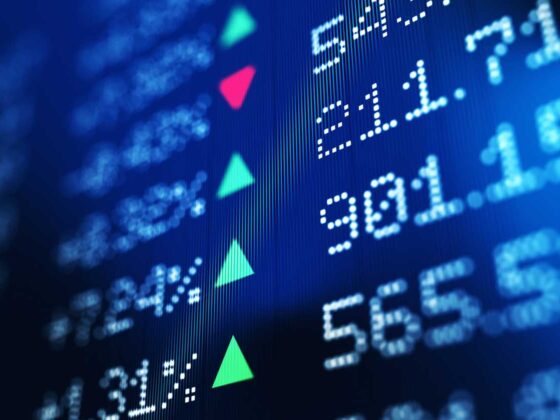
The dollar index, which tracks the greenback against six major currencies, jumped 0.4% in early Asian trading, reaching 98.07.
Yen and Swiss Franc Strengthen
Investors also flocked to the Japanese yen and Swiss franc—two of the world’s most reliable safe-haven currencies.
-
The dollar weakened 0.35% against the yen to trade at 143 per dollar.
-
The Swiss franc appreciated 0.39%, moving to 0.807 per dollar.
These sharp movements highlight the rapid risk-off sentiment in global currency markets.
Risk Currencies Slide: Aussie and Kiwi Hit Hard
Asian-Pacific Currencies Bear the Brunt
Risk-sensitive currencies, including the Australian dollar and the New Zealand dollar, fell by 0.9% each as investors moved to reduce exposure to potentially volatile assets.
Both currencies are often seen as proxies for global risk appetite, making them especially vulnerable during geopolitical shocks.
Commodities React: Oil and Gold Prices Spike
Crude Oil Surges on Supply Fears
Oil markets reacted instantly to the news of Israel’s strike, with crude prices jumping over $4 per barrel.
The possibility of supply disruptions from the Middle East—one of the most critical oil-producing regions globally—sent prices sharply higher.
Gold Hits One-Month High
Gold, another key safe-haven asset, rose 0.8% to reach its strongest level since early May.
Investors typically turn to gold during periods of uncertainty and geopolitical tension, and Thursday’s escalation clearly triggered that flight to safety.
Market Background: Dollar’s Earlier Weakness Reversed
From Multi-Year Lows to a Sudden Rally
Just days before the Israel-Iran escalation, the U.S. dollar was trading at multi-year lows.
The retreat was driven by:
-
Disappointing investor reactions to a U.S.-China trade truce
-
Cooler-than-expected U.S. inflation data, which sparked expectations that the Federal Reserve might cut interest rates more aggressively.
Those concerns momentarily reduced demand for the dollar, but the geopolitical risk has now abruptly shifted the landscape.
Weekly Performance Still in Decline
Despite Thursday’s rebound, the dollar is still on track for weekly declines against the yen, Swiss franc, and euro.
This highlights how volatile the currency markets remain, as investors try to balance economic fundamentals with rapidly evolving geopolitical risks.
Broader Market Implications: Uncertainty to Dominate Near-Term Trading
Potential for Sustained Safe-Haven Demand
If tensions between Israel and Iran continue to escalate—or if Iran retaliates—analysts expect continued demand for safe-haven assets.
This could lead to:
-
Further strengthening of the dollar, yen, and Swiss franc
-
Extended weakness in risk-sensitive currencies like the Aussie and Kiwi
-
Ongoing support for oil and gold prices
Impact on Central Bank Policies
Geopolitical shocks can complicate monetary policy decisions.
Central banks, especially the U.S. Federal Reserve, may need to:
-
Monitor inflation pressures from rising oil prices
-
Reassess the timing and size of potential interest rate cuts
-
Consider the impact of elevated market volatility on financial stability
What Investors Should Watch Next
Key Triggers to Monitor
-
Israel’s Next Moves: Will the strikes continue or escalate?
-
Iran’s Response: Potential retaliation could widen the conflict.
-
Oil Supply Risks: Any direct threats to shipping lanes like the Strait of Hormuz would further roil markets.
-
Global Diplomatic Reactions: Watch for responses from the U.S., Europe, and regional players like Saudi Arabia.
Market Volatility Likely to Persist
Currency traders, equity investors, and commodity players should brace for continued volatility as the situation develops.
“Right now, this is purely a risk-off event, but if the conflict widens, we could be facing sustained turbulence across markets,” said a senior currency strategist.
A Global Flashpoint With Wide-Ranging Impacts
The Israel-Iran escalation has triggered an immediate reshuffling of global financial positions.
Investors are now in defensive mode, seeking refuge in safe-haven currencies and commodities as uncertainty dominates the headlines.
As the situation unfolds, the next few days could significantly reshape currency valuations, commodity prices, and investor sentiment.