Ceasefire Momentum Grows as U.S. Mediation Pushes for 60-Day Truce
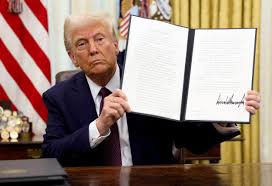
U.S. President Donald Trump announced on Friday that another 10 hostages held in Gaza are set to be released “very shortly,” marking a potential breakthrough in ongoing ceasefire negotiations between Israel and Hamas. The development comes as U.S.-brokered talks gain traction in Doha, despite repeated setbacks and a volatile situation on the ground.
Speaking during a private dinner with lawmakers at the White House, Trump commended his special envoy, Steve Witkoff, for progress made in the hostage negotiations and emphasized his administration’s commitment to ending the humanitarian disaster unfolding in Gaza.
“We got most of the hostages back. We’re going to have another 10 coming very shortly, and we hope to have that finished quickly,” Trump told attendees.
This marks the latest effort in a weeks-long diplomatic push aimed at securing a 60-day ceasefire in Gaza in exchange for the phased release of hostages and detainees.
The Framework: A U.S.-Backed 60-Day Ceasefire for Hostages
Terms of the Deal on the Table
Under the proposed ceasefire arrangement:
-
10 Israeli hostages would be released by Hamas over the span of 60 days.
-
Bodies of 18 deceased hostages would also be returned to Israel.
-
In return, Israel would release an undisclosed number of Palestinian detainees, a key demand from Hamas.
-
The ceasefire would provide critical humanitarian breathing room after nearly two years of relentless violence.
The deal is being spearheaded by U.S. envoy Steve Witkoff, with active support from Qatar and Egypt, and comes after renewed backchannel diplomacy in Doha that began on July 6.
While U.S. officials have indicated cautious optimism, no official signing has been confirmed. Sources familiar with the talks suggest the sticking points include the sequencing of prisoner exchanges and guarantees that hostilities will not resume immediately after the truce expires.
Hamas Signals Tentative Agreement—With Caveats
Militant Group Could Revert to Demanding “All-or-Nothing” Deal
On Friday, a spokesperson for Hamas’ armed wing said the group was open to accepting an interim truce, allowing for a gradual release of hostages and detainees. However, the spokesperson warned that if Israel does not agree to the current format, Hamas could revert to demanding a “comprehensive deal”—one that bundles the ceasefire, hostage release, and long-term guarantees into a single, rigid package.
“We favour reaching an interim truce,” said the Hamas representative. “But if there is no agreement now, we will reconsider and demand a full package.”
Such a shift would likely stall negotiations further and intensify the humanitarian toll in Gaza, where residents have endured relentless Israeli bombardment since the October 2023 Hamas-led attacks on southern Israel.
The Human Cost: Over 60,000 Dead Across Both Sides
Gaza Death Toll Mounts as Israel Faces Global Pressure
As of mid-July, the Gaza Health Ministry reports more than 58,600 Palestinian deaths since the onset of Israel’s military campaign in response to the October 7, 2023 attacks. That assault by Hamas killed approximately 1,200 Israelis and foreign nationals, according to Israeli officials, and led to the capture of dozens of hostages who have been held in Gaza for over 20 months.
While Israel has argued that its campaign is necessary to root out Hamas leadership and infrastructure, international organizations and human rights groups have sharply criticized the scale of civilian casualties and the destruction of essential infrastructure, including hospitals, schools, and refugee shelters.
One particularly shocking moment occurred on July 17, when Israeli airstrikes reportedly hit a school sheltering displaced families in the Bureij refugee camp, forcing women and children to flee into the open streets.
“There is no safe place left in Gaza,” one U.N. official remarked following the attack.
Trump’s Strategy: Maximum Leverage, Minimal Clarity
Trump Ramps Up Public Pressure While Keeping Details Sparse
President Trump has consistently previewed potential breakthroughs in the ceasefire and hostage talks, often with limited follow-through or formal confirmation. This latest announcement follows a pattern: public declarations of imminent progress, followed by protracted delays in execution.
Sources inside the administration suggest this is part of a strategic pressure campaign—using public expectation to force concessions from both Hamas and Israeli negotiators. However, critics argue that the lack of transparency could undermine the credibility of U.S. mediation, especially if repeated claims of progress don’t translate into actual results on the ground.
With the 2026 election cycle looming and international scrutiny mounting, Trump’s foreign policy team is eager to deliver a concrete diplomatic win—particularly one that would showcase U.S. leadership in resolving one of the world’s most entrenched conflicts.
What’s Next: Ceasefire or Collapse?
All Eyes on Doha as Clock Ticks on Breakthrough
The coming days will be critical. If Hamas and Israel can agree on sequencing and monitoring mechanisms, the 60-day ceasefire could usher in the most significant de-escalation since the war began. Humanitarian agencies would gain access to besieged areas, families would be reunited with loved ones, and both sides could claim partial political victory.
But if talks falter, the alternative is grim: deeper entrenchment, continued death, and an irreversible collapse of diplomatic momentum.
Regional experts warn that this may be the last best chance for a negotiated pause in violence before the conflict enters a new, potentially more chaotic phase.